Hierarchies of Earth: Caste, Indigeneity, and the Politics of Land, Life, and Ecological Futures
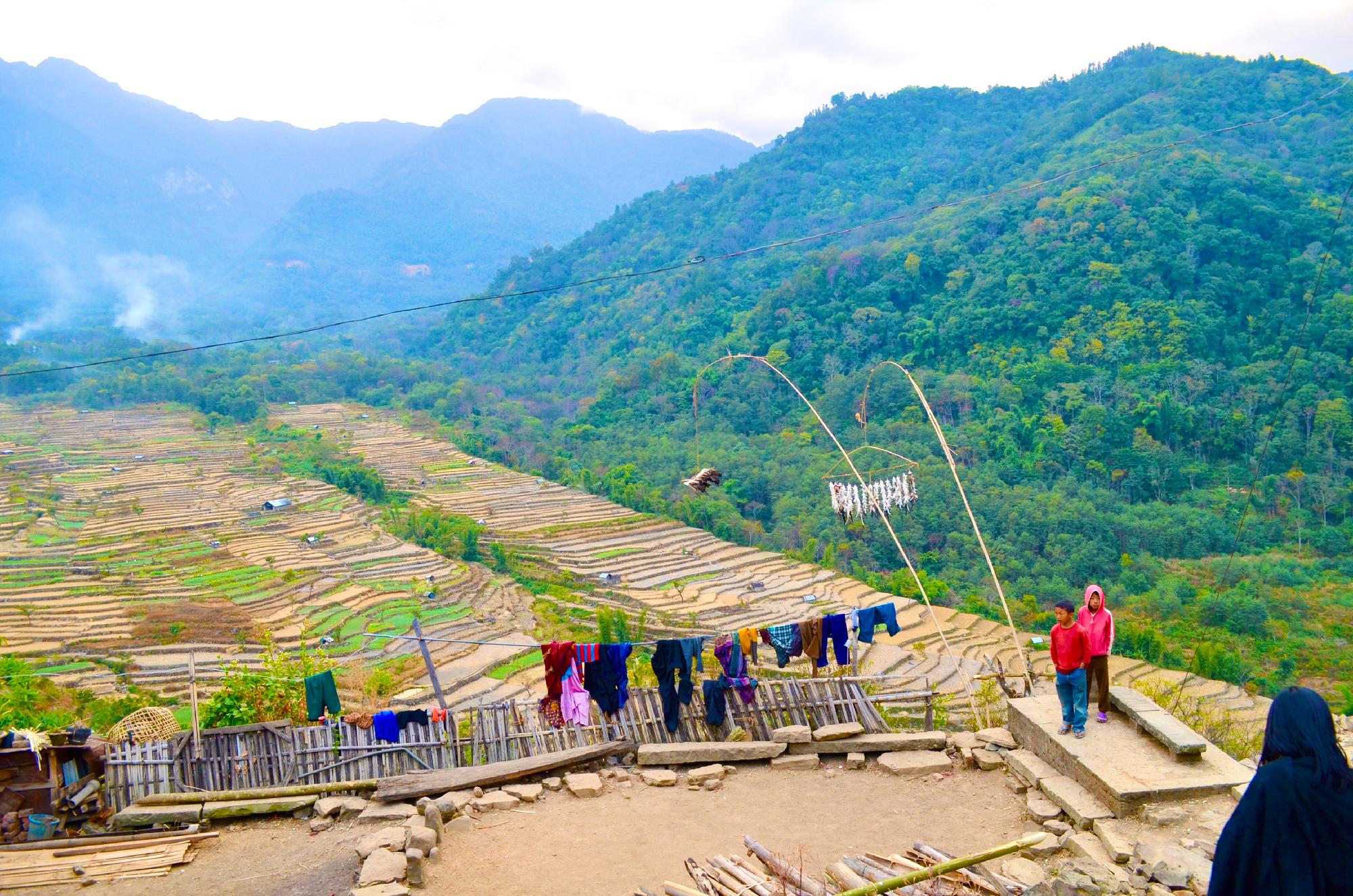
Hierarchies of Earth: Caste, Indigeneity, and the Politics of Land, Life, and Ecological Futures is a one-day symposium to be held on 11 May 2026 in the B1005 Auditorium of the Social Sciences and Humanities Building (SVHUM) at UiT The Arctic University of Norway, Tromsø.
Organized as part of the final phase of the Ekologos project, it brings together scholars, students, and practitioners to explore how caste, indigeneity, land, ecology, and more-than-human worlds converge in contemporary struggles over justice, belonging, and environmental futures.
Hierarchies of Earth brings together speakers across anthropology, environmental humanities, political ecology, religious studies, and related fields to examine how ecological crisis unfolds within historically stratified social worlds.
The symposium explores how caste, indigeneity, displacement, extraction, and racialized or religious forms of belonging shape access to land, water, resources, and environmental knowledge. While its primary focus is South Asia, it also opens comparative space for reflection on Indigenous knowledge, environmental justice, and ecological transformation in other regions such as the Arctic and Latin America.
The programme includes panels on emerging research, land and displacement, knowledge systems in transition, extraction and environmental inequality, relational ontologies, and a concluding film session on myth, politics, and caste. Andrea Joslyn Nightingale (UiO) will deliver the keynote address, Intersectionality for Transformative Climate Action. Additional contributions will be made by Luiz Hancio Medina (Ekologos-Brazil), Fatma Matar (Ekologos-Norway), Hanna Geschewski (CMI, Bergen), Kari Telle (CMI, Bergen), Maya Sunde Singh (Norwegian Human Rights Fund), Anwesha Dutta (CMI, Bergen), Justin Michael Parks (UiT), Lill Tove Fredriksen (UiT), Deva Nandan Harikrishna (UiO), Divya Rao (Ekologos/ENCODE UiT), and Moumita Sen (MF, Oslo). Kenneth Bo Nielsen (UiO) will serve as panel chair, and Michael Heneise (Ekologos/UiT) will offer welcome and closing remarks.
The event is organized by Divya Rao and Michael Heneise within the Ekologos network, an international collaborative project linking partners in Norway, India, and Brazil through interdisciplinary work on environmental humanities, ecological knowledge, and climate futures.
Everyone is warmly welcomed to attend the symposium, no registration required.
If you would like to join the symposium lunch, please complete the sign-up form (see "Lunch Sign-Up Form" on the right) by 10 May 2026 so we can accommodate catering and dietary requirements. All welcome!
PROGRAMME
| TIME | SESSION | DETAILS | PANEL NOTES and THEMES |
|
09:00 – 09:30 |
Welcome & Opening Remarks |
Tea/coffee 09:15–09:30 Michael Heneise |
Welcome address, introduction of the chair(s), and brief remarks on The South Asianist publication prospects emerging from this symposium. |
|
09:30 – 10:40 |
Panel 1: Emerging Voices & Situated Interventions
Chair: Divya Rao |
09:30–09:45 Luiz Hancio Medina (Ekologos-Brazil: student presentation)
09:45–10:25 Fatma Matar (Ekologos-Norway: short film presentation) Local conciliations between ecological erosion and development promises in Uttarkashi district 10:25–10:40, Discussion |
This opening panel foregrounds emerging voices and grounded interventions, setting the stage through situated, practice-based, and experimental engagements with ecological and social questions.
Themes: Student research; field-based insights; experimental and visual methodologies; early-stage interventions |
|
10:40 – 10:45 |
Short Break | ||
| 10:45 – 11:45 |
Panel 2: Land, Displacement, & Knowledge Systems in Transition
Chair: Kenneth Bo Nielsen |
10:45–11:00 Hanna Geschewski Land(ing) in exile: human-land relations among Tibetan refugees in South India
11:00–11:15 Kari Telle Tracking groundwater and indigenous hydrological know-how in uncertain times
11:15–11:30 Maya Sunde Singh Experiences from the Field: A Rights Based Approach to Caste, Class, and Marginalization in South Asia 11:30–11:45 Discussion |
This panel explores how relationships to land and knowledge are reconfigured under conditions of displacement, governance shifts, and ongoing struggles over rights and belonging.
Themes: Land relations in displacement; indigenous and local knowledge systems; rights, access, and marginalisation; socio-environmental change |
| 11:45 – 12:00 | Refreshments Break | ||
| 12:00 – 13:00 |
Keynote Address |
12:00–12:40 Andrea Joslyn Nightingale (with Noémi Gonda) Intersectionality for transformative climate action 12:40–13:00 Discussion |
The keynote brings a critical conceptual lens to the symposium, rethinking intersectionality as a transformative framework for understanding power, subjectivity, and climate governance. Themes: Intersectionality and power; climate governance; subjectivity and justice; transformative approaches to inequality |
|
13:00 – 14:00 |
Symposium Lunch |
||
|
14:00 – 14:35 |
Panel 3: Power, Extraction, & Environmental Inequality
Chair: TBC |
14:00–14:15 Anwesha Dutta Labour Structures, Power, and Biodiversity Conservation: Discussions from ethnographic research in Assam, and collaborative work in the Navajo Nation
14:15–14:30 Justin Michael Parks Critiques of Extractive Modernity in African American Women’s 1970s Poetry 14:30–14:40 Discussion |
This panel examines how extractive logics—material, cultural, and historical—continue to shape environmental inequality and governance across contexts.
Themes: Labour and conservation; extractive modernity; environmental justice; historical and structural inequalities |
| 14:40 – 14:45 | Short Break | ||
|
14:45 – 15:45 |
Panel 4: Relational Ontologies: Ritual, Land, & More-than-Human Worlds
Chair: Kenneth Bo Nielsen |
14:45–15:00 Lill Tove Fredriksen Living Relations with Meahcci
15:00–15:15 Deva Nandan Harikrishna The relational ecology of animal sacrifice, caste, and Hindu religiosities at the Kodungallur Bharani Festival
15:15–15:30 Divya Rao When Spirits Mediate: Caste, Land, and Relational Ontologies in the Ritual Courts of Būta Kola 15:30–15:45 Discussion |
Shifting from structures of power to questions of ontology, this panel examines how relational worlds (across ritual, land, and more-than-human entities) reconfigure authority, ecology, and ways of knowing.
Themes: Relational ontologies; ritual and cosmology; caste and ecology; more-than-human relations; alternative governance frameworks |
|
15:45 – 16:00 |
Refreshments Break |
||
|
16:00 – 17:30 |
Panel 5: Myth, Politics & Counter-Narratives (Film Session)
Chair: Michael Heneise |
16:00–17.10 Film screening A Necessary Demon: Religion, Politics, and Caste in India
17.10–17.15 Moumita Sen: Short introduction
17.15–17.25 Q&A
17.25–17.30 Michael Heneise: Closing remarks |
The symposium closes with a film that brings together many of our core concerns (myth, caste, indigeneity, and political imagination) through an ethnographic and visual lens.
Themes: Mythopolitics; caste and indigeneity; visual storytelling; counter-hegemonic narratives; political imagination |
|
19:30 onwards |
Symposium Dinner |
City centre |
See the full programme, list of speakers, and abstracts here.