How to ask in a world of AI answers?

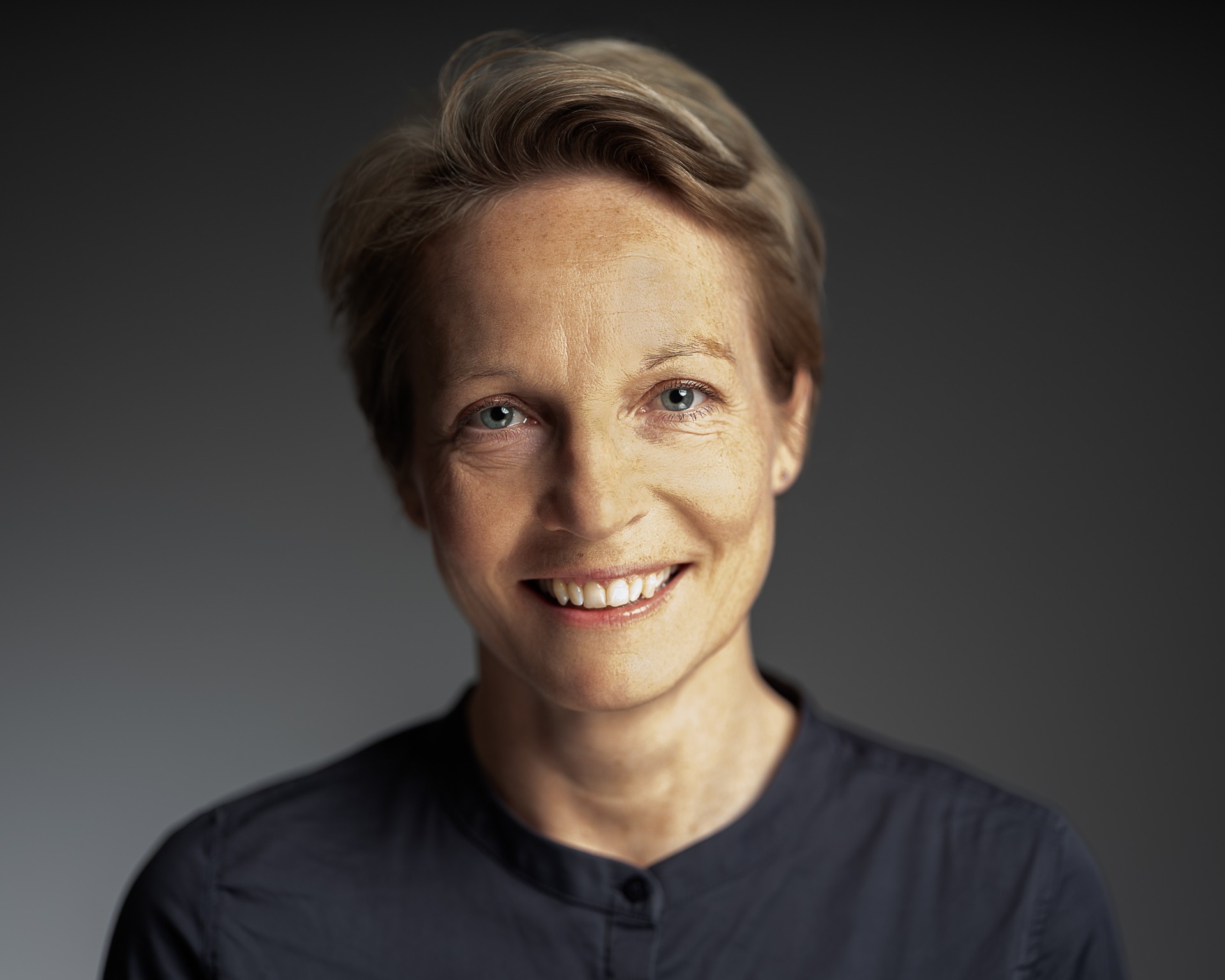
The Institute of philosophy and first semester studies (IFF) is honored to host guest philosopher and author Dr. Pia Lauritzen, who will deliver the lectio inauguralis “AI and Critical Thinking.” The lecture will be given in English and is open to the public. Join us for the inauguration of the academic year!
Dr. Pia Lauritzen speaks at conferences and corporate events worldwide. Her most requested talks on AI and critical thinking include:
Do you think getting answers is the most important reason to ask questions? Think again. In a world drowning in AI answers, knowing why, when, what, and whom to ask has never been more important. Want to learn how to ask questions that lead, educate, and drive change in a world of AI answers?
You know AI is the future, but do you know what assumptions about humans and machines were built into AI from the very beginning? Did you know that Alan Turing, the founding father of AI, considered the question if machines can think "too meaningless to deserve discussion"? And do you know how it impacts the human ability to think and make decisions to be surrounded by machines designed to think and make decisions for them?
When AI is said to improve everything from productivity to brand loyalty, it’s tempting to assume it can improve leadership too. So, is AI going to make for better leaders?
After the lecture, 15 minutes will be allocated for questions.
The lecture will serve as the public kick‑off to the orientation meetings for all students at the Institute of philosophy and first‑semester studies (IFF) and the Center for women's and gender research (SKK) at UiT. See the full program for the day.
The lecture is also part of the of the ENCODE research group’s symposium, Critical Perspectives on AI in Higher Education, which runs from 09:00 to 16:30 on the same day. The full symposium programme is available here. The symposium is funded by the CRAFT Research Lab, the Department of Language and Culture (ISK), and IFF at UiT.
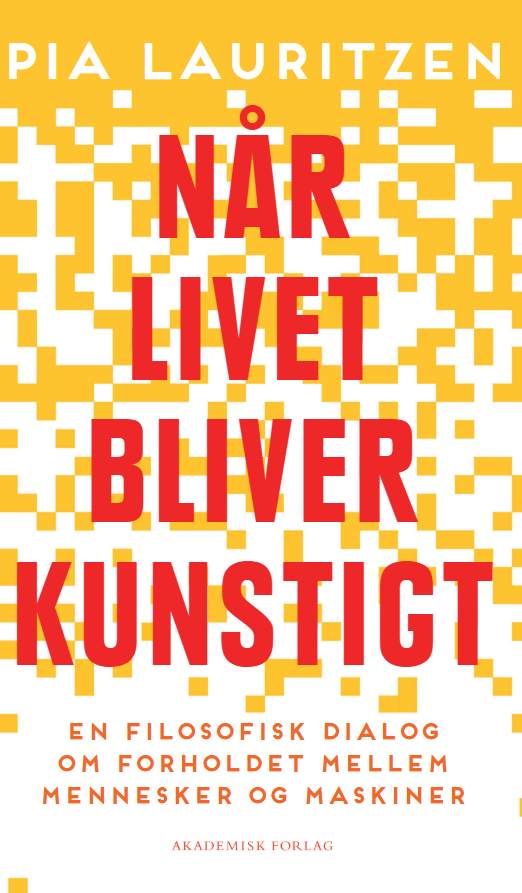
Framed as a philosophical dialogue between Fremtid (Future), a curious young man, and Visdom (Wisdom), an older woman schooled in the great thinkers, the conversation follows Fremtid’s search for answers that friends, teachers, and AI assistants cannot provide. As the dialogue unfolds, he discovers something more important than answers: his own capacity to think. The discussion ranges across life, death, and time; things, technology, and meaning; and faith, hope, and love.
By moving through past, present, and imagined future technologies, the book invites readers to think about whether — and why — we need technology at all in the circumstances we find ourselves in. Read more here.