Project Scholarship Holders
Postdoctoral Research Fellow
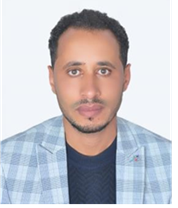
Name: Dr Berhanu Yitayew, PhD
A Medical Microbiology researcher specializing in antimicrobial resistance (AMR). His work employs a One Health approach to infectious disease dynamics and utilizes genomic epidemiology to trace AMR transmission. He earned his PhD in Medical Microbiology from Addis Ababa University through a collaborative program with Örebro University, Sweden.
University admitted: Addis Ababa University
Supervisor: Prof. Feleke Zewge and Dr Fasil Ejigu Eregno
Research project title: Modeling the Transmission Dynamics of Antimicrobial Resistance from “One Health” Perspective in Urban and Peri-urban setting of Addis Ababa, Ethiopia
Project background: Antimicrobial-resistant (AMR) bacteria are a major One Health concern. Inappropriate antibiotic use in humans, animals, and agriculture, combined with poor pharmaceutical waste management, is driving rising AMR levels globally. AMR spreads and persists across interconnected human, animal, and environmental compartments, yet most research has focused on human and animal isolates, with limited attention to environmental transmission.
Because human, animal, and environmental health are closely linked, a One Health approach is essential for effectively addressing AMR. To achieve meaningful impact, it is crucial to understand how each compartment—and the effects of urbanization—contribute to the spread and persistence of AMR. Urban growth, population density, waste mismanagement, and increased interaction among humans, animals, and the environment create complex pathways for resistant bacteria and genes to circulate.
Although modeling AMR across these interconnected systems is vital for identifying transmission routes and informing targeted interventions, existing models rarely capture the full complexity of the broader ecosystem. This gap is especially evident in resource-limited urban and peri-urban settings, where diverse sources of contamination, infrastructural limitations, and rapid environmental change further complicate AMR dynamics.
This project aims to develop a One Health AMR transmission dynamics model to support policymakers in making informed decisions on AMR containment across sectors.

Name: Dr Willard Mbewe, PhD
Dr Mbewe holds a PhD in Biological Sciences from Makerere University, Uganda, and has held doctoral fellowships at Rutgers University and the Leibniz Institute DSMZ. He also holds an MSc in Environmental Sciences from the University of Malawi and a BSc in Forestry Sciences from Mzuzu University. He currently serves as a Lecturer in the Department of Biological Sciences at Malawi University of Science and Technology (MUST), where he supervises students in microbiology, bioinformatics, and biodiversity informatics.
University admitted: Malawi University of Science and Technology
Supervisor: Professor Alfred Maluwa and Dr Fasil Ejigu Eregno
Research project title: Modelling the link of One Health elements in Malawi/Blantyre
Project background: The research agenda is anchored in Work Package 10 of the NORHED II UiT–MUST One Health Collaboration, which aims to advance integrated modeling of disease–environment interactions, develop a One Health Risk Assessment Framework, and evaluate the socio-economic impacts of health–environment interventions in Malawi. He is also committed to capacity building and mentorship, working to establish a national training pipeline in Computational One Health Analytics to equip emerging scientists with advanced skills in data integration, modeling, and bioinformatics.
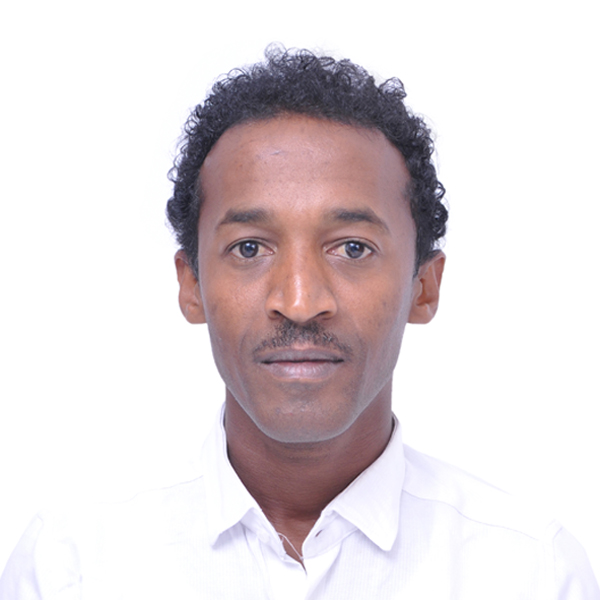
Name: Dr Berhanu Abera, PhD
Dr Berhanu is a veterinary public health expert with a PhD in Veterinary Public Health and advanced training in epidemiology, poultry medicine, business administration, and One Health. He has contributed to numerous research projects, particularly in zoonotic disease surveillance, infectious disease modeling, and dairy food safety. In addition to his research, he has managed major poultry, dairy, and multispecies farms; provided agribusiness advisory services; and delivered extensive training and consultancy to strengthen agricultural enterprises. His professional journey demonstrates a strong commitment to improving animal health systems, promoting food safety, and fostering sustainable agri-food value chains in Ethiopia.
University admitted: Addis Ababa University
Supervisor: Prof. Feleke Zewge and Dr Fasil Ejigu Eregno
Research project title: One Health in the Urban and Suburban Nexus of Addis Ababa: Developing Evidence-Based Intervention Strategies for Zoonotic Disease and Environmental Health Risk through Modeling
Project background: The project focuses on applying a One Health approach to address interconnected human, animal, and environmental health risks in Addis Ababa’s urban–suburban nexus. It develops data-driven models to investigate zoonotic diseases (rabies and bovine tuberculosis), waste and wastewater management challenges, and the health impacts associated with the Akaki River catchment. By integrating evidence-based strategies, modeling tools (including network analysis, SIR/SEIR models, and regression), and stakeholder training, the project aims to design sustainable interventions that improve public health, control zoonoses, and mitigate environmental hazards.
The overarching aim is to create a comprehensive, data-driven One Health model that integrates human, animal, and environmental health risks, enabling evidence-based strategies for zoonotic disease control and improved waste and wastewater management in Addis Ababa’s urban–suburban nexus, ultimately contributing to better public health and sustainable interventions.
Doctoral Fellows

Name of the PhD fellow : Jirata Shiferaw Abosse
University admitted : Addis Ababa University
Main Supervisor : Prof. Bekele Megersa
Co-Supervisors : Prof. Feleke Zewge / Dr Fasil Ejigu Eregno / Dr Ståle Haaland
PhD Project Title : Healthcare Wastewater: Hotspot Reservoirs for Antimicrobial Resistance Genes and Heavy Metals
Project Area : Addis Ababa, Ethiopia
Project background
The healthcare systems generate significant quantities of wastewater effluents and biomedical waste that contain various toxic environmental pollutants like pharmaceutically active compounds, organic contaminants, heavy metals (HM), radioactive isotopes, and pathogenic microbes. Through a variety of mechanisms, including co-resistance and cross-resistance, HM contamination co-selects antibiotic and metal resistance. Zinc and cadmium were the most frequently observed HMs linked to antimicrobial resistance (AMR), and Salmonella typhimurium , Campylobacter Jejuni and Escherichia coli were the most generally focused bacteria with revealed co-occurrence of resistance to several HMs and AMR. However, the one health concept of the co-resistance and cross-resistance mechanism of HM and AMR in the selected study area is not investigated.
Aim of the project
To determine the concentration of selected heavy metals and antimicrobial resistance developed in humans, animals and the environment at the Akaki River Catchment, Central Ethiopia.

Name of the PhD fellow : Richard Lizwe Steven Mvula
University admitted : Malawi University of Science and Technology
Main Supervisor : Dr. W. Kadewa
Co-Supervisors : Dr J. Njalammano / Dr Fasil Ejigu Eregno / Dr Ståle Haaland
PhD project title : Evaluating Enteric Diseases Risks In Solid Waste through a One Health Approach: A Case of Blantyre City
Project Area : Urban and peri-urban areas of Blantyre City
Project background
Waste-related diseases claim the lives of 5.2 million people annually, including 4 million children, and the situation is likely to worsen if not checked. Like other developing regions, waste management has become a critical concern in Sub-Saharan Africa (SSA) (Debrah et al., 2022). Malawi is not exempt from the problem of efficiently managing solid waste. Blantyre City has experienced a prevalence of sanitation-related diseases such as cholera, typhoid fever, malaria, and schistosomiasis. These diseases are linked to sanitation and poor waste management. Despite these evident threats, limited or commonly known knowledge exists regarding improper solid waste management and its connection to enteric diseases in Blantyre City. The absence of such assessment hinders effective mitigation and management strategies, emphasizing the need to investigate the associated risks. Thus, the study to ascertain the solid waste management and the link to enteric diseases is critical. Therefore, this study uses an integrated one-health approach to assess the risks associated with solid waste and their relation to enteric diseases in areas surrounding the dumpsites in Blantyre City.
Aim of the project
To investigate the enteric disease implications of solid waste management practices in Blantyre City using one health framework.

Name of the PhD fellow : Beza Zwedu Desta
University admitted : Addis Ababa University
Main Supervisor : Professor Gezahegne Mamo
Co-Supervisors : Dr. Adey Feleke / Dr. Girum Tadesse Tessema (NVI, Norway)
PhD project title : Genomic Base Molecular Characterization of Drug Resistance and Host-Pathogen Interactions of Mycobacterium Tuberculosis Complex in Animal, Human, and Environmental Interface in Addis Ababa: One Health Approach
Project area : Urban and peri-urban areas of Addis Ababa, Ethiopia
Project background
Tuberculosis (TB) caused by mycobacterium tuberculosis complex (MBTC) is a significant public health concern, affecting humans and animals. the emergence of the drug resistance strain of MBTC has complicated treatment efforts, leading to the need for a deeper understanding of the genetic factors driving resistance. additionally, the interaction between the pathogen and its hosts is critical for understanding the disease dynamics. this project is particularly important as it takes a holistic approach by examining the MBTC across human, animal, and environmental interfaces, which is essential for controlling TB in various settings. The molecular characterization of drug resistance in this different context will provide insight into how resistance spreads and evolves and how the pathogen interacts with different hosts.
Aim of the project
The primary aim of the project is to molecularly characterize drug resistance in the mycobacterium tuberculosis complex. this will involve genomic analysis to identify the genetic markers associated with drug resistance, and to study how the pathogen adapts to different hosts and environment. The goal is to enhance understanding of how drug resistance emerges and spreads and to inform strategies for better management and control of TB in both human and animal populations. And, to develop a diagnosis protocol to confirm the result that helps to individualize the treatment of tuberculosis in the patient.

Name of the PhD fellow : Christopher Kolla
University admitted : Malawi University of Science and Technology
Main Supervisor : Dr Mwayiwawo Madanitsa
Co-Supervisors : Professor Alfred Maluwa / Dr Stella Mazeri
PhD project title : Developing Strategies for Implementation of Community-Based Surveillance for Rabies in Malawi: A One Health Approach
Project area : Urban and peri-urban areas of Blantyre in Malawi
Project background
Globally, rabies kills approximately 60,000 people annually with the greatest burden in Asia and Africa. Dog bites are the main zoonotic transmission pathway of rabies to humans, accounting for 99% of cases. Although canine rabies is endemic in Malawi, human rabies exposures and cases are likely underreported due to inadequate surveillance. A One Health approach which recognizes the interconnections between the health of humans, animals, and their shared environment is highly advocated as the best option to eliminate rabies in resource-constrained settings like Malawi where many cases of rabies in both animals and humans continue to be underreported. Despite this recognized opportunity for the control of human rabies, there is poor collaboration between human and animal health sectors in Malawi with inadequate mechanisms for coordinated surveillance and control of zoonotic diseases such as rabies. Therefore, there is a need to develop strategies and implement Community-Based Surveillance for zoonoses with a focus on rabies surveillance and control in Malawi under the framework of One Health.
Aim of the project
The study aims to develop strategies that will improve the surveillance system of human rabies associated with dog bites with the view of generating information that informs policy and provides a framework for public health advocacy towards rabies control and elimination.

Name of the PhD fellow: Sitota Tesfaye Tekle
University admitted : Addis Ababa University
Main Supervisor: Prof. Gezahegne Mamo (DVM, MSc, PhD)
Co-Supervisors : Prof. Kebede Amenu (DVM, MSC, PhD) / Dr Madelaine Norström (NVI, Norway)
PhD project title: The Nexus of Milk Production, Dairy Environment and Food Safety: Addressing Escherichia Coli Contamination of Milk Through One Health Approach in Addis Ababa Milk Sheds, Ethiopia.
Project area: Urban and peri-urban areas of Addis Ababa
Project background
Milk is regarded as the most ideal nourishment for humans from infancy to old age, due to its excellent sensory qualities and abundance of nutrients that the body needs for quick growth and help to lower the chance of developing numerous diseases associated with nutritional deficiencies. Behind providing superior nutrition value for health and development, milk distinct composition and characteristics can work as a remarkable substrate for bacterial growth and might negatively affect the health of consumers as a result of improper handling, storage, and transportation which might result in contamination of milk with milk-borne zoonotic Escherichia coli and E. coli O157 bacterial pathogens which are major public health concerns due to illness and risk of AMR transmission.
Aim of the project
The general objective of this study will be to investigate milk-borne zoonotic E. coli and E. coli O157 H7 pathogens, their AMR profile, and gene flow and transmission pattern along the animal-human-environment interface in Addis Ababa milk shed, Ethiopia.

Name of the PhD fellow : Bessie Chimwemwe Phiri
University admitted : Malawi University of Science and Technology
Main Supervisor : Professor Alfred Maluwa
Co-Supervisors : Dr Tone Kristin Johansen / Dr Hannah Joan Jorgensen
PhD project title : Strategies for Improving Access to Rabies Post Exposure Prophylaxis Among Dog Bite Patients in Malawi: An Implementation Study in A One Health Approach
Project area : Balaka District and Blantyre urban and peri-urban area, Southern region of Malawi
Project background
Rabies is estimated to cause 59,000 human deaths annually with over 95% of the cases occurring in Africa and Asia and almost half of the cases are children under 15 years of age. Up to 99% of human cases are caused by dog bites.
Human rabies is 100% preventable, yet it continues to claim people's lives. A recent modeling shows that over one million people will die of rabies between 2020 and 2035 if dog vaccination and PEP access are not scaled up. In Malawi, up to 500 humans are estimated to die from rabies annually. While PEP is potentially lifesaving, it is often unavailable or costly in LMICs. In Malawi, the rabies vaccine is often unavailable or difficult to access because of the complicated system of seeking PEP. Robust rabies control measures and interventions are available and well documented. However, implementing these is a challenge. Therefore, there is a need to develop and implement novel strategies to improve access to PEP among dog bite victims through a One Health approach.
Aim of the project
The overarching aim is to improve control of rabies in Malawi by increasing access to rabies post-exposure prophylaxis for dog-bitten patients in Malawi using a One-Health approach in line with STOP-R.

Name of the PhD fellow : Henry Mapwesera
University admitted : Malawi University of Science and Technology, Malawi
Main Supervisor : Dr. Wilfred Kadewa
Co-Supervisors : Dr Emmanuel Vellemu / Dr Fasil Ejigu Eregno / Dr Ståle Haaland
PhD project title : Risk Characterization of Clinical Wastewater in Blantyre City and its Sub-Urban Nexus
Project area : Urban and peri-urban areas of Blantyre City, Malawi
Project background
As urbanization increases in Blantyre City and its sub-urban nexus, so does the generation of clinical wastewater from healthcare facilities. This waste contains hazardous materials that pose significant risks to human, animal, and environmental health. Notwithstanding the possible hazards to one's health and the environment, Blantyre City has seen little research on this topic.
Aim of the project
To characterize and assess the risks associated with clinical wastewater in Blantyre City and its sub-urban nexus, and its impact on human, animal, and environmental health.

Name of the PhD fellow : ASNAKE KASAHUN BELAYNEH
University admitted : Addis Ababa University
Main Supervisor : Dr Hika Waktole (Associate Professor)
Co-Supervisors : Prof. Hagos Ashenafi / Dr Fasil Ejigu Eregno
PhD project title : Prevalence, molecular characterization and antimicrobial resistance profile of salmonella in farmers, animals, vegetables and water sources from domestic and peri-domestic areas in Addis Ababa, Ethiopia: a one health approach
Project area : Urban and peri-urban areas of Addis Ababa, Ethiopia
Project background
Despite the growing body of evidence, comprehensive studies in Ethiopia that adopt a One Health approach—simultaneously addressing human, animal, and environmental health—remain scarce. Most previous research has focused on isolated populations, failing to establish connections between the sources of Salmonella infections. This study aims to fill these gaps by assessing the prevalence of Salmonella and its antimicrobial resistance (AMR) profiles in farmers, animals, and environmental samples in Addis Ababa. The findings are expected to guide public health interventions and strengthen food safety measures.
Aim of the project
This study aims to determine the prevalence of Salmonella pathogens and their antimicrobial resistance profiles in farmers, animals, and environmental samples, and to investigate the genetic relatedness of isolates from domestic and peri-domestic areas in Addis Ababa, Ethiopia, using a One Health approach.
Partially supported scholarship (PhD Research) - AAU

ENKESHE LOWA YADA
Enkeshe Loya Yada is conducting a PhD dissertation entitled 'Detection of Some Zoonotic Bacteria, Carica Papaya's Antibacterial Activity, and Heavy Metal Risks in Fisheries: A One Health Perspective in the South Ethiopian Region. Foodborne diseases, including emerging and re-emerging zoonotic pathogens, can occur due to poor handling, environmental contamination, inadequate food safety laws, weak regulatory structures, and a lack of training for food handlers. The project aims to: determine the antibacterial properties of Carica papaya extracts on Streptococcus agalactiae isolates, determine the levels of selected heavy metals, investigate and characterize E. coli O157:H7 and S. aureus in a One Health perspective within the fishery and assess knowledge, attitudes, and practices (KAP) towards food safety among fishermen, fish handlers, and the community.
GUTA WAKJIRA ADINO
Guta Wakjira Adino is a dedicated young doctoral researcher specializing in One Health at Addis Ababa University. His doctoral research project is titled “Human and Companion Animal Interactions a One Health Perspective: Zoonotic Disease Transmission and Antimicrobial Resistance Dissemination Risks at the Interface of Dogs, Cats, Humans, and the Environment in Addis Ababa, Ethiopia.” This study integrates the three fundamental aspects of One Health, concentrating on the relationships between humans and companion animals, specifically dogs and cats as well as the environmental factors across five sub-cities in Addis Ababa. The primary aim of his project is to explore the interactions that could result in exposure to zoonotic diseases in companion animals and the dissemination of antimicrobial resistance. Ultimately, this study seeks to deepen the understanding of the transmission risks posed by zoonotic pathogens in companion animals, their owners, and the surrounding environments. The outcomes will provide valuable insights for policymakers to develop strategies aimed at preventing the spread of zoonotic diseases, thus protecting the health of humans, animals, and ecosystems.

JUHAR TESFAYE BEKELE
Juhar Tesfaye is a second-year PhD fellow in One Health at Addis Ababa University. His research will focus on the antimicrobial resistance bacteria in wastes from hospitals and dairy farms in and around Addis Ababa, Ethiopia. The main objectives of the project are determining the burden of antimicrobial resistance bacteria specifically Escherichia coli and Staphylococcus aureus from animal wastes, hospital wastes and downstream water bodies receiving the wastes. The study will also assess the awareness level of the community using these water sources either treated or untreated about antimicrobial resistance. The result will provide evidence for applying appropriate intervention options along the transmission pathways of antimicrobial-resistant bacteria from wastes of hospitals and farms.

SUFIAN ABDO JILO
Sufian Abdo Jilo is a PhD student in the One Health programme. His dissertation, titled "Investigation of Rodent-borne Zoonotic Diseases at the Human-Wildlife Interface along Different Land-use Gradients," focuses on Bale National Park in Ethiopia, a crucial habitat for the endangered Ethiopian wolf. This research aims to assess the health status of wildlife and their habitats within Bale National Park. The presence of infectious diseases can significantly impact species dynamics and pose risks to human health. Key objectives include investigating infectious agents present in the diet of Ethiopian wolves, particularly through their consumption of rodents and water sources, analyzing faecal, saliva, and blood samples from rodents, along with water samples from the park, to identify zoonotic diseases, providing insights into the prevalence of zoonotic diseases within the park. The findings of this research will contribute to developing targeted management strategies to protect both wildlife and human health, ensuring the sustainable coexistence of wildlife and local communities and ultimately safeguarding the rare Ethiopian wolf species.
MSc Students at Malawi University of Science and Technology (MUST) - COHORT I

GLORY PRECIOUS MNYENYEMBE
Glory Precious Mnyenyembe is a second-year Master's student in One Health at the Malawi University of Science and Technology (MUST). She is currently conducting a research project entitled “The Prevalence and Genetic Profiles of Methicillin-Resistant Staphylococcus aureus in Children and their Household Animals in Thyolo District.” The study involves children under the age of five suffering from non-malarial febrile illness (NMFI) as well as healthy children, alongside their household animals, which include pets and livestock. The project aims to investigate the association between MRSA found in NMFI children and healthy children and that identified in their household animals. The objective is to determine the potential for transmission or shared reservoirs of MRSA between humans and animals within these households.

WANANGWA MUNTHALI
Wanangwa Munthali is a final-year Master's student in One Health at the Malawi University of Science and Technology. He holds a Bachelor of Science degree in Geography. His research focuses on the knowledge, attitudes, and practices related to solid waste management and its association with malaria, cholera, and rabies, specifically in the Mbayani area of Blantyre. Upon completion of his research, he aims to map the spatial distribution of dumpsites and infectious diseases in the region and establish the relationship between solid waste management practices and the incidence of cholera, malaria, and rabies.

SHAREEF RAJIH MDALANGWA
Shareef, a trained molecular biologist, is currently pursuing a Master of Science in One Health at Malawi University of Science and Technology (MUST), specializing in antimicrobial resistance and bacteriophage therapy. His research focuses on the isolation and detailed characterization of lytic phages specific to multidrug-resistant Salmonella spp. derived from poultry farms. Leveraging his background and expertise, he aims to develop phage-based alternatives to antibiotics, thereby addressing the increasing threat of antimicrobial resistance. His work contributes to the One Health concept by addressing the critical intersections of human, animal, and environmental health.

AMON ABRAHAM
Amon Abraham is a Master of Science (M.Sc.) in One Health second-year student at the Malawi University of Science and Technology. His research interest focuses on antimicrobial resistance. His current research project, titled "Impact of Antibiotic Residues from Manure on the Presence of Antibiotic-Resistant Bacteria in Agricultural Soils and Vegetables," analyzes the presence of antibiotic residues in manure, soil, and vegetables and their role in fostering antibiotic-resistant bacteria within agricultural ecosystems. This study addresses critical One Health components by examining how these residues impact environmental health, food safety, and the risk of antimicrobial resistance transfer to humans and animals. The findings aim to inform sustainable agricultural practices and policies to mitigate public health risks associated with antimicrobial resistance (AMR).

OMEGA UKO
Omega Uko is a Master's student in One Health at the Malawi University of Science and Technology, specializing in One Health Modeling. She is passionate about exploring the intricate relationships between human, animal, and environmental health. Her current research focuses on the impact of air pollution on public health and ecosystems, utilizing advanced modeling techniques to analyze data and predict outcomes. With a background in Mathematical Sciences and a strong interest in interdisciplinary approaches, Omega aims to contribute to sustainable solutions that mitigate the effects of air pollution. She believes that effective collaboration across sectors is essential for fostering healthier communities and environments. Omega is eager to engage with fellow researchers, policymakers, and advocates to promote meaningful change in air quality management and public health initiatives.

FYNESS SIBANDE
Fyness Sibande is a Master's student in One Health at the Malawi University of Science and Technology. Her research concentrates on the relationship between the built environment and health, specifically evaluating the risk factors that impact both human and animal populations residing within these settings. The study aims to propose guidelines for addressing the identified disparities. Here academic pursuits are supported by a scholarship awarded through the NORHED II Project.

WONGANI KHONJE
Wongani Khonje holds a Bachelor of Science in Agricultural Extension from the Lilongwe University of Agriculture and Natural Resources (LUANAR) and is currently a final-year Master of Science student in One Health at the Malawi University of Science and Technology (MUST). Wongani's research focuses on pesticide use and residues in tomatoes cultivated in semi-urban areas of Blantyre, specifically in Chipande and Lunzu, along with the associated human health risks. The study indicates that the intensive application of pesticides by farmers to enhance tomato production and profitability has resulted in the accumulation of pesticide residues in harvested tomatoes, which may pose health risks to consumers. This research aims to establish baseline pesticide residue levels in tomatoes, providing a reference for future studies and policy measures to mitigate contamination in the food supply.
CHIMWEMWE CHIUTULA
Chimwemwe Chiutula serves as a consultant for Water Insight Limited. He is currently pursuing a Master of Science in One Health at Malawi University of Science and Technology, fully funded by the NORHED II Project. Chimwemwe's research focuses on conducting a comparative analysis of heavy metal accumulation and associated health risks in indigenous and exotic vegetables irrigated with wastewater, specifically in Zingwangwa Township, Malawi.

MUONAOUZA ANDRINAH DELEZA
Muonaouza Andrinah Deleza is a second-year Master of Science student in One Health, conducting her research under Work Package 4 entitled: “Prevalence and Antimicrobial Resistance Patterns of Escherichia coli, Klebsiella pneumoniae, and Enterococcus Species in Poultry Farms in Blantyre City.” This research primarily focuses on broiler and layer farms, examining farm workers, chickens, and their shared environment. The significance of this research lies in its exploration of a critical public health issue related to antimicrobial resistance in Malawi, where the access to and use of antibiotics in livestock production are high yet poorly regulated.

LEMSON KACHEDWA
Lemson Kachedwa is a second-year Master of Science in One Health student at Malawi University of Science and Technology. His research focuses on developing a web-map-based Geographical Information System for managing and exploring water quality data. The platform is integrated with interactive tools for data visualization and analysis and serves as a repository for water quality data and research information from One Health students at MUST. By linking water quality parameters to health outcomes, the platform aims to support informed decision-making and promote sustainable water resource management.

ROSE KACHINGWE
Rose Kachingwe, a Master of Science student in One Health at the Malawi University of Science and Technology, is conducting multidisciplinary research to explore the toxicological risks associated with septic tank wastewater effluent in Blantyre City, Southern Malawi. Her study focuses on assessing the presence and concentrations of pathogenic agents such as Escherichia coli, Salmonella, and Vibrio cholerae in septic tank effluents. Additionally, she evaluates the toxicological effects of these effluents on aquatic organisms, particularly fish, and identifies potential risks to human health and the environment. Rose employs quantitative and experimental methods, collecting and analyzing samples from septic tanks and nearby water sources in Manase, a peri-urban area. Her work highlights critical issues such as water quality degradation, public health risks, and the environmental impact of decentralized wastewater treatment systems. This research aligns with the One Health approach, which recognizes the interconnectedness of human, animal, and environmental health. Through her research, she aims to inform sustainable sanitation practices and policies in rapidly urbanizing regions. Furthermore, this study underscores the importance of holistic, sustainable approaches to sanitation, contributing to global efforts to achieve clean water, health equity, and environmental protection.

JACOB MANDA
Jacob Manda is a second-year One Health student at the Malawi University of Science and Technology (MUST). He is currently conducting research on the prevalence of antibiotic-resistant pathogenic bacteria and antibiotic residues in aquatic environments within Blantyre Urban, Malawi. This study is funded by NORHED II and aims to generate comprehensive data to identify hotspots of antibiotic-resistant bacteria (ARB) and their contributing factors. By examining the level of contamination in the environment with ARBs and antibiotic residues, this research aligns with the One Health concept, which acknowledges the interconnection between human, animal, and environmental health. This approach is crucial in addressing antibiotic resistance (AMR), a growing global threat. The research is particularly significant for women and children, who often rely heavily on river water sources for domestic purposes. By identifying ARBs and residues, this study aims to protect vulnerable populations from the potential risks of exposure and promote safer water usage.
MSc Students at Addis Ababa University (AAU) - COHORT I
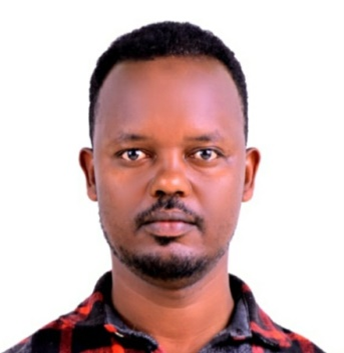
TESFAYE FATALO FALARO
Tesfaye Fatalo, a regional animal health researcher, is currently in his second year of the Master of Science in One Health program at Addis Ababa University, Ethiopia. In the urban and periurban areas of Addis Ababa, the wastewater treatment plant serves as a significant environmental hotspot for the proliferation and spread of antimicrobial resistance (AMR) among animals, humans, and the wider environment. Being cognizant of this critical issue, he is conducting research to unravel the heavy metals-the driving factor and AMR profiles of ESBL and carbapenemase-producing Escherichia coli within the one health paradigm focusing on Kality wastewater treatment plant-Addis Ababa under the research project of NORHED II entitled “Urban and Periurban Nexus towards a One Health Approach”. Understanding of such phenomenon at point sources will provide evidence-based information for policymakers and treatment plant specialists to develop effective surveillance and mitigating strategies for the global silent pandemic "AMR".

BLACK BALCHA JIMA
Chernet Balcha Jima is a master's student in One Health at Addis Ababa University, holding a Doctor of Veterinary Medicine degree from Jimma University. His current MSc research focuses on detecting and evaluating Aflatoxin contamination in feed, cow milk, and human urine in selected sub-cities of Addis Ababa, Ethiopia. The study will also assess knowledge and practices regarding Aflatoxin contamination in dairy feed and cow milk. It is expected to contribute to a better understanding of Aflatoxin prevalence and contamination levels in the targeted samples, emphasizing food safety from a One Health perspective.

TIGIST NIGATU MEKURIYA
Tigist Nigatu Mekuriya is a second-year master's student in One Health at Addis Ababa University. She completed her undergraduate degree in veterinary medicine at the College of Veterinary Medicine and Agriculture, Addis Ababa University. Her current MSc research, titled “Molecular Characterization and Antimicrobial Susceptibility of E. coli O157 :H7 Strain across Dairy Animals, Humans, and Farm Environmental Interface in Addis Ababa City: A One Health Approach,” focuses on identifying potential reservoirs and transmission pathways of antimicrobial-resistant E. coli O157: H7 across the human-animal-farm environmental interface. This research is significant not only for improving public health strategies but also for contributing to a broader understanding of antimicrobial resistance in agricultural settings. With her Doctor of Veterinary Medicine (DVM) background, Tigist is passionate about advancing public health and food safety. She aims to bridge knowledge gaps surrounding zoonotic diseases in Ethiopia, striving to create sustainable solutions through interdisciplinary approaches under the One Health framework.
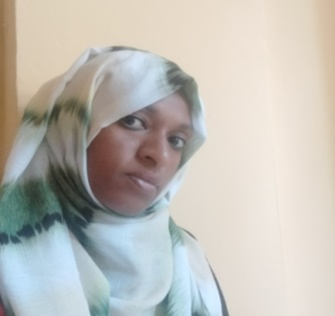
MAKIDA ELIAS MARSA
Makida Elias is a second-year Master's student in One Health at Addis Ababa University, College of Veterinary Medicine and Agriculture. She is currently conducting a research project entitled “Molecular Characterization and Antimicrobial Resistance Profiling of Methicillin Resistance Staphylococcus aureus Species and Assessment of Waste Management in Dairy Farms, Sheger City-Oromia, Ethiopia”. The objective of the project aims to investigate the presence and molecular characteristics of methicillin-resistant Staphylococcus aureus (MRSA) in udder milk, farm environments, and milkers hand to understand the implications of antimicrobial resistance (AMR) in dairy operations and enhance public health protection.
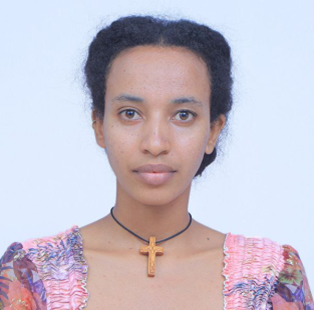
ABEBA MARU
Abeba Maru is a second-year One Health student at Addis Ababa University, College of Veterinary Medicine and Agriculture. She is currently conducting research on food safety in informal markets, focusing on microbial quality and public awareness. Her academic background includes a bachelor's degree in veterinary medicine, providing her with a solid foundation for her current studies. Her research aims to assess the microbial quality of food sold in informal markets, a critical issue given the potential health risks associated with foodborne pathogens. Additionally, she is evaluating community awareness regarding the foods sold in these markets, which seeks to promote safer food practices and protect community health. This research is particularly relevant in addressing food safety concerns for vulnerable populations who often rely on informal markets for their daily food needs. Abeba is dedicated to the One Health approach, which recognizes the interconnectedness of human, animal, and environmental health.

SEE YOU AWAKE TOLERATE
Seble Aweke is a veterinarian and a second-year M.Sc. student in One Health at Addis Ababa University College of Veterinary Medicine and Agriculture, conducting research titled "Assessing Food Safety Management Systems: A One Health Approach to Improve Water Quality and Meat Hygiene of Abattoirs in and around Addis Ababa, Ethiopia." Her work focuses on food safety management systems in abattoirs, emphasizing water quality, hygiene practices, and public health impacts. Utilizing a multidisciplinary approach that integrates veterinary science, environmental, and public health policy, the research aims to identify gaps and provide actionable recommendations for improvement, vital for both public health and the sustainability of food systems in Ethiopia. Additionally, she highlights the importance of training and education for abattoir workers to foster a culture of food safety and compliance, ultimately enhancing food safety standards through safeguarding public health in the region.

KABEBA DERESA ARENA
Kabeba Deressa Arena is a second-year Master's student in one health at Addis Ababa University, College of Veterinary Medicine and Agriculture. He is currently conducting a research project entitled "The phenotypic and genotypic characterization of Zoonotic Listeria monocytogenes in captured and ready-to-eat meat fish, hand swab and linked water samples in major Fisheries in Central, Ethiopia". The project aims to investigate the occurrence, antimicrobial resistance, and virulent genes in captured fish and ready-to-eat meat fish, hand swabs and water samples. The objective is to determine the potential for transmission or shared reservoirs of LM in the human-animal-environmental interface.

ELBETEL YALEW MAMO
Elbetel Yalew holds a Bachelor's degree of Doctor of Veterinary Medicine from Addis Ababa University College of Veterinary Medicine and Agriculture and is currently a second-year Master of Science (M.Sc.) in One Health student at Addis Ababa University. She is conducting her research on the title of "Isolation and antimicrobial susceptibility profile of bacillus cereus from raw milk, human and environment in Addis Ababa, Ethiopia" intending to assess the burden and antimicrobial susceptibility profile of bacillus cereus from various sources by using one health approach. The study involves raw milk from lactating cows, human stool that has contact with the animals and environmental samples surrounding dairy farms.

ABDURAHMAN MERIBO NEBI
Abdurahman Meribo is a Master's student in One Health at the Addis Ababa University. He holds a Doctor of Veterinary Medicine degree. He is currently conducting a research project entitled "Study on Cryptosporidium infection in Calves, Children and Drinking water sources in and around Addis Ababa. The project aims to magnitude and associated factors of the disease in human, animal and drinking water sources to implement improved responses to the impacts of the disease. The objective is to determine the occurrences of cryptosporidiosis in calves, and children and to detect drinking water sources.
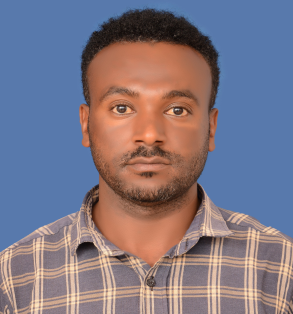
TAYE DINKU REGASA
Taye Dinku is a second year master's student in one health at Addis Ababa University College of Veterinary Medicine and Agriculture. He is currently researching the occurrence of Escherichia coli O157:H7 and its antimicrobial resistance profile within the dairy value chain, specifically focusing on dairy cattle, water, and humans in and around Bishoftu town. The project aims to isolate E. coli O157:H7 from dairy cattle (especially calves), humans in direct contact with calves, diarrheal patients visiting government health facilities, and various water sources used in dairy farms and human health facilities. Additionally, it seeks to assess the risk factors associated with E. coli O157:H7 infection in dairy farms and human patients, as well as to evaluate the antimicrobial resistance profile of E. coli O157:H7 isolated from these different samples.
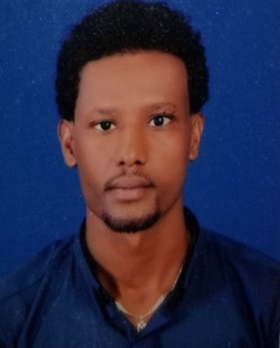
MILKESA HAILU DIBABA
Milkesa Hailu is a second year master's student in one health at Addis Ababa University College of Veterinary Medicine and Agriculture. He is currently conducting research on the Detection of Salmonella Spp. from dairy cattle, children and milk and its antimicrobial resistance profile in and around Bishoftu town. The project aims to determine the prevalence and distribution of Salmonella species in dairy farm, children and milk in the environment in and around Bishoftu town, analyze the genetic relationships between Salmonella isolates from different sources (from dairy cattle, children and milk with its environment) using molecular typing methods and to assess the antimicrobial resistance profiles of isolated Salmonella strains against commonly used antibiotics.
MSc Students at Malawi University of Science and Technology (MUST) - COHORT II

Bashir H.J. Merico
Bashir H.J. Merico holds a Bachelor of Science degree in Biomedical Sciences from Mzuzu University and currently works as a laboratory technician at the University of Malawi (UNIMA) in the Department of Biological and Biomedical Health Sciences. At UNIMA, Bashir’s main responsibilities include supporting research activities, facilitating outreach programs, and assisting in the practical aspects of teaching and learning. His M.Sc. research, entitled “WHO-priority fungi and other opportunistic fungal pathogens isolated from environments contaminated with excreta of synanthropic pigeons at households in Zomba and Blantyre, Southern Malawi,” focuses on a critical yet overlooked public health issue. Fungal infections remain a major health challenge in Malawi, but current mitigation efforts mainly emphasize case management and therapeutic interventions in humans. However, growing evidence highlights the role of birds—particularly pigeons—as important environmental sources and transmission agents of fungal pathogens. This study aims to bridge the knowledge gap regarding the contribution of synanthropic pigeons to environmental contamination and the spread of WHO-priority and other opportunistic fungal pathogens. By elucidating these dynamics, it seeks to identify risk factors and intervention points that can inform evidence-based strategies for reducing avian-related fungal exposure through a One Health approach.

Talandira Noah
Talandira Noah is passionate about promoting integrated health solutions that recognize the interconnection between human, animal, and environmental health. She holds a Bachelor of Science in Biomedical Sciences from Mzuzu University and a Diploma in Biomedical Sciences from Malamulo College of Health Sciences, qualifications that have provided her with a strong foundation in medical laboratory practice and public health principles. Talandira serves as a Medical Laboratory Technologist and Head of the Hematology Department at Malamulo Adventist Hospital. In this role, she oversees diagnostic testing, quality assurance, staff supervision, and mentorship of student interns. Her experience in the clinical laboratory has strengthened her analytical and leadership skills, deepened her understanding of disease dynamics, and enhanced her capacity to contribute to public health improvement through reliable diagnostics and surveillance. As part of her M.Sc. in One Health program, Talandira is conducting research entitled “Urban Disaster Risk Management Framework for Improved Human, Environment, and Animal Health Outcomes in Blantyre, Malawi.” This study seeks to address the growing challenge of climate-related disasters by developing a context-specific framework that integrates the One Health approach to improve prevention, preparedness, and response across sectors.

BONGANI BONGINKOSI KHOMBA
Bongani Bonginkosi Khomba holds a Bachelor of Science degree in Water Quality and Management from the Malawi University of Science and Technology (MUST), where he built a strong academic foundation in water resource management, environmental monitoring, and ecosystem sustainability. He is currently employed as a Laboratory Technician at the Blantyre Water Board, where his responsibilities include calibrating laboratory equipment, systematically collecting data, and analysing physical and chemical water quality parameters across multiple water treatment plants and catchment areas. His work ensures compliance with Malawi Bureau of Standards and World Health Organization (WHO) guidelines on potable water, contributing to the health and well-being of communities through the maintenance of safe water supplies. In addition to his core duties, Bongani has actively participated in pollution source identification, catchment improvement initiatives, proficiency testing within the SADC region, and various environmental monitoring projects. His M.Sc. research synthesises his extensive background in water quality management and environmental health through a One Health approach, investigating how urban green infrastructure supports mental health and biodiversity in urban settings. This multidisciplinary focus reflects Bongani’s commitment to addressing complex ecological and public health challenges through integrated, evidence-based solutions that promote resilience and sustainability in rapidly urbanising environments. By combining rigorous scientific training, practical field expertise, and advanced interdisciplinary study, Bongani Khomba exemplifies a professional dedicated to strengthening the interconnection between environmental stewardship, human health, and wildlife conservation within urban landscapes.

Chifundo McHumphrex Bengoh
Chifundo McHumphrex Bengoh holds a BSc in Public Health from the University of Livingstonia and a Diploma in Dental Therapy from the Malawi College of Health Sciences. He is currently working with Mothers2Mothers Malawi as a Monitoring and Evaluation Officer. His work involves designing and managing M&E systems, conducting data analysis, producing data visualizations, and developing dashboards. He also oversees the implementation of digital health tools such as DHIS2, CommCare, and KoboToolbox. His enrollment as a Master’s student in One Health has deepened his understanding of the interconnectedness between humans, animals, and the environment, highlighting that investments in human health are closely linked to the health of animals and ecosystems. His research focuses on assessing remnant microbes and water disinfection by-products (DBPs) in water reticulation systems, as well as the associated health risks in humans. This study aligns with SDG 6, which aims to ensure the availability and sustainable management of water for all, with an emphasis on water quality and safety. The research seeks to characterize common remnant microbes and DBPs in treated water and to identify potential health hazards resulting from prolonged human exposure to these contaminants.

EDINA AMON MHANGO
Edina Amon Mhango is a healthcare professional with over twenty years of clinical experience in nursing and midwifery. Since qualifying with a Diploma in Nursing and Midwifery in 2004 from Trinity College of Nursing, I have served at Kamuzu Central Hospital as a Nurse Midwife Technician, where I have developed extensive expertise in clinical care, maternal and neonatal health, and public health service delivery. Working in one of Malawi’s largest referral hospitals has enabled me to rotate through multiple specialized departments, including the Medical Male and Female Wards, the High Dependency Unit (HDU), Oncology Clinic, Maternity and Gynaecology Wards (including Maternity HDU), Emergency and Trauma Department, and the Medical Outpatient Department (MOPD). In these settings, I have been actively involved in the management of communicable and non-communicable diseases (NCDs) such as diabetes, hypertension, asthma, heart failure, rheumatic heart disease, and sickle cell disease, among others. These diverse clinical experiences have strengthened my competence in patient management, multidisciplinary collaboration, and evidence-based practice. In pursuit of continuous professional growth, I earned a Bachelor of Science Degree in Animal Science from the Lilongwe University of Agriculture and Natural Resources (LUANAR) in 2016, driven by a strong interest in understanding the interconnectedness of human and animal health. I am currently pursuing a Master of Science in One Health at the Malawi University of Science and Technology (MUST), sponsored by Norad under the NORHED II Project in One Health. This program has expanded my expertise in epidemiology, zoonotic disease control, and environmental health. Through this training, I aim to integrate my clinical background with interdisciplinary approaches that promote sustainable health solutions for both humans and animals. My M.Sc. research topic is titled: “A Comparative Study on the Prevalence and Risk Factors of Cysticercosis Between Blantyre Suburban and Mulanje District.”

Fyness
Fyness has a strong background in nursing and public health, bringing over a decade of experience in clinical care, public health programming, and community-based health interventions. She holds a Diploma in Nursing and Midwifery and a Bachelor of Science in Public Health. Her professional journey spans both facility-based and community health settings, where she has played key roles in implementing programs that promote maternal and child health, HIV/AIDS prevention, and health education. Fyness has worked extensively on donor-funded health initiatives, leading multidisciplinary teams to deliver high-impact, gender-responsive services. She is a research expert with a strong focus on Sexual and Reproductive Health and Rights (SRHR), youth empowerment, and the health needs of key and vulnerable populations. Her work includes mentoring healthcare providers and peer educators, conducting operational research, and promoting evidence-based programming in both rural and urban settings. She also has experience in health information systems and quality improvement initiatives. A passionate advocate for sustainable and inclusive health solutions, Fyness is currently conducting her MSc research on the environmental impact of disposable diapers using a One Health approach. Her study explores the intersection of human behavior, environmental pollution, and health risks to humans and animals, highlighting the interconnectedness of ecosystems. Through this research, she aims to contribute to policy dialogue and increase awareness of waste management practices and environmental protection. Fyness is committed to advancing the One Health agenda in Malawi and the region by promoting interdisciplinary collaboration for resilient health systems.

Wongani Chilembo
Wongani Chilembo holds a Bachelor of Science in Food and Nutrition and has built a strong foundation in public health, nutrition, and community development. Her academic training has equipped her with both theoretical knowledge and practical skills in health promotion, research, and programme implementation. She has gained substantial experience working in the public sector and in development initiatives focused on improving nutrition, sanitation, and community well-being. Her work has involved coordinating field activities, conducting research, managing data collection teams, and engaging communities to adopt sustainable health and hygiene practices. These experiences have strengthened her leadership, teamwork, and analytical skills while deepening her understanding of health systems and the social determinants of health. Her Master’s research, entitled “Usage of Ventilated Improved Pit Latrines for Odour and Fly Control in the Peri-Urban Areas of Blantyre: A Case of Built Environment and Human Health,” investigates how the design and functionality of sanitation systems influence public health outcomes. The study applies the One Health approach to explore linkages between human health and environmental management, aiming to generate insights that can inform policy and urban sanitation planning. Wongani’s research interests include environmental health, sanitation, nutrition, and community-based interventions. She is passionate about advancing the One Health agenda through interdisciplinary collaboration and evidence-based solutions that promote healthier and more resilient communities in Malawi.
MSc Students at Addis Ababa University (AAU) - COHORT II

Chaltu Desalegn Muleta Proposal
Title: A One Health Assessment of Antimicrobial Use and Associated Resistance in Escherichia Coli along the Beef Value Chain In Akaki Kality Sub Citiy, Addis Ababa, Ethiopia
Antimicrobial use (AMU) in food-animal production accelerates the emergence of antimicrobial resistance (AMR), posing serious threats to animal and human health as well as food security. In Ethiopia, evidence shows that AMU is common in food-producing animals, particularly within the beef value chain. However, its contribution to the emergence of bacterial resistance remains poorly understood. This study aims to generate robust evidence on the AMR profile of E. coli and to identify potential risk factors for resistance along the beef value chain. A cross-sectional study will be conducted from November 2025 to May 2026, employing a One Health approach to assess AMU practices and the occurrence of AMR E. coli isolates in selected sub-cities of Addis Ababa. Strong evidence will be generated by integrating microbiological, environmental, and socio-behavioral data. Specimens will be obtained from animals, carcasses, the environment (farms and slaughterhouses), and human handlers. E. coli isolation will be performed using standard bacteriological methods, and isolates will undergo biochemical and serological testing, followed by antimicrobial susceptibility testing according to CLSI standards. Data on AMU practices will be collected from farmers using structured questionnaires, while data on hygienic practices will be gathered from slaughterhouse employees and butchers. Descriptive and inferential statistical analyses will be applied to determine the prevalence and predictors of bacterial resistance. The results will provide guidance for policymakers and stakeholders on interventions to improve antimicrobial stewardship, strengthen food-safety systems, and promote sustainable livestock production within a One Health context in Ethiopia.
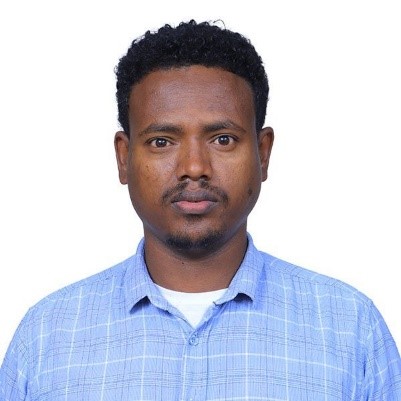
Eyob Assefa Kassa
Title: Molecular Detection and Antimicrobial Resistance of Listeria monocytogenes from Fish, Bird Fecal, and Human Samples in Bishoftu, Ethiopia: A One Health Approach.
Public health is seriously threatened by the transmission of zoonotic infections through the food chain. Increased human–animal interactions, cross-species transmission of pathogens, and the dissemination of antimicrobial-resistant genes are emerging global public health concerns. Among foodborne zoonoses, Listeria infections have become unexpected risks associated with everyday foods. Bacteria of the genus Listeria have gained significant attention in biomedical research due to their central roles in medical and food microbiology. The occurrence of listeriosis in humans has drawn increasing concern as outbreaks have been recognized and reported particularly among immunosuppressed populations. This bacterium primarily causes intrauterine infections, meningitis, and septicemia. Fishery is an important alternative livelihood in Bishoftu city, located in the Oromia Regional State of Ethiopia, which contains seven lakes. Local fishermen, who often practice traditional techniques, prepare whole fish and fillets for the local market by eviscerating and filleting their catch on the lakeshores. Poor hygienic conditions during processing, improper handling and transportation, and the lack of cold storage may contribute to contamination and the spread of foodborne pathogens such as Listeria monocytogenes. The aim of this study is to assess the public health risk of Listeria monocytogenes contamination in fish and the Bishoftu lake environment in Ethiopia using a One Health approach. The study seeks to isolate and identify L. monocytogenes from fish and various environmental sources, including wild bird fecal matter, knives, cutting boards, water, and hand swabs. Species-specific and pathogenicity markers will be identified using molecular techniques, and the antimicrobial resistance profiles of the isolates will be confirmed through susceptibility testing. Additionally, the knowledge, attitudes, and practices of fish handlers regarding fish-borne zoonotic infections will be evaluated to provide a comprehensive overview of potential cross-species transmission and related public health issues.
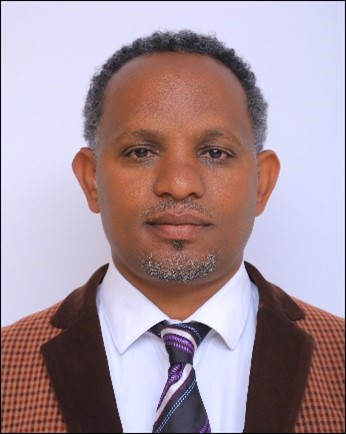
Firdawok Ayele Zewudie
Title: Development and Evaluation of Killed Whole-Cell Oral Cholera Candidate Vaccine Against Remerging One Health Vibrio Cholera Pathogens from Ethiopian Native Isolates in Animal Models: Vaccine for One Health
Cholera remains a major public health concern in Ethiopia, marked by recurrent outbreaks, high morbidity, and rising antimicrobial resistance that complicates treatment and control efforts. Although WHO-prequalified oral cholera vaccines (OCVs) are available, the country continues to rely entirely on international vaccine stockpiles, resulting in delayed responses and inadequate coverage during epidemics. At the same time, locally circulating Vibrio cholerae strains exhibit evolving antimicrobial resistance and environmental persistence, underscoring the need for context-specific preventive measures aligned with a One Health approach. This study aims to develop and evaluate a killed whole-cell oral cholera vaccine produced from Ethiopian V. cholerae isolates and to assess its immunogenicity, safety, and protective efficacy using appropriate animal models. The research will involve optimizing formalin inactivation doses and formulating multiple vaccine prototypes with varying bacterial concentrations. A 2 × 3 factorial design will be used to compare formalin-inactivated vaccine candidates, with Shanchol™ serving as a positive control. Preclinical evaluation will be conducted using infant mice or infant rabbits to measure mucosal IgA, systemic IgG, and vibriocidal antibody titers, followed by challenge experiments to determine protective efficacy. Expected outcomes include a comprehensive antimicrobial resistance profile of Ethiopian V. cholerae strains, optimized inactivation protocols, and preclinical data supporting the safety and immunogenicity of locally developed oral vaccine candidates. Ultimately, this study will strengthen national vaccine research capacity, reduce dependence on international stockpiles, and support the implementation of Ethiopia’s Cholera Elimination Plan (2021–2028). By integrating human, animal, and environmental health dimensions, this research advances sustainable One Health solutions for effective cholera prevention and control in Ethiopia.
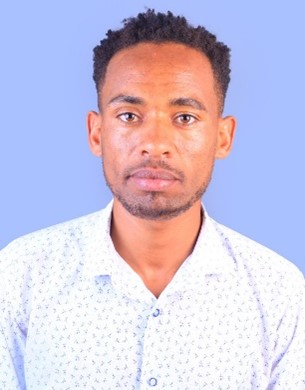
Getachew Shelfa Beriso
Title: Identification, Molecular Detection and Antimicrobial Resistance Profile of Campylobacter Species from Diarrheic Patients, Broiler Farms and Water in and around Bishoftu Town
Campylobacter poses a serious public health challenge worldwide due to its ongoing acquisition of resistance to various antimicrobials. A cross-sectional study will be conducted in and around Bishoftu town from October 2025 to April 2026 to isolate and detect Campylobacter species from broiler farms, diarrheic patients attending health centers, and different water sources. The study will also assess risk factors associated with Campylobacter infection in broiler farms and human patients, as well as the antimicrobial resistance profiles of Campylobacter species isolated from chicken, human, and water samples. A total sample size of 138 human samples and 174 chicken samples will be collected, while the sample size for water will be determined conveniently based on available water sources. Broiler farms will be identified in consultation with the urban agriculture office, and farms will be selected using simple random sampling. Fecal samples from chickens will be collected directly from the cloaca using swabs, taking precautions to avoid contamination, and stool specimens will be obtained from diarrheic patients at health care facilities by medical personnel. Immediately after collection, fecal samples will be placed in universal bottles containing Cary-Blair transport medium. Selective enrichment will then be performed using Bolton enrichment broth, followed by inoculation onto modified Cefoperazone Charcoal Deoxycholate Agar and incubation under microaerophilic conditions for 48 hours. Presumptive colonies will be examined by Gram staining and motility testing, along with other biochemical tests. Representative colonies will then be sub-cultured on Columbia blood agar, and suspected colonies will be subjected to polymerase chain reaction (PCR) analysis for confirmation and identification of Campylobacter species. All confirmed isolates will undergo antimicrobial susceptibility testing using the standard Kirby-Bauer disk diffusion assay on Mueller-Hinton agar. Finally, descriptive statistics will be used to compute frequencies and proportions, and odds ratios will be calculated to determine associations between variables.

Guyo Gelma Golo
Title: Eco-Epidemiological Dynamics of Infectious Diseases at the Livestock-Human-Wildlife Interface in the Borana Zone, Ethiopia
The eco-epidemiological dynamics of infectious diseases at the livestock–human–wildlife interface are increasingly important for understanding disease emergence in climate-sensitive ecosystems, such as the Borana Zone of southern Ethiopia. This study investigates how ecological and socio-economic factors—including climate variability, land-use change, pastoral mobility, and resource competition—shape the transmission and persistence of infectious diseases. Using a One Health framework, the research integrates participatory epidemiology, knowledge–attitude–practice (KAP) surveys, spatial modeling, and stakeholder engagement to identify key disease drivers and pathways for building resilience. The study aims to develop sustainable, community-based strategies for disease prevention and control while fostering collaboration among scientists, policymakers, and local pastoral communities. Through a mixed-methods approach, it will generate spatially explicit models to map high-risk areas and predict disease dynamics under different ecological scenarios. The findings will support a stronger science–policy interface by informing integrated surveillance systems and adaptive management of livestock and public health. By aligning with Ethiopia’s national livestock health strategy and global priorities—including SDG 3 (Good Health and Well-Being), SDG 13 (Climate Action), and SDG 15 (Life on Land)—this work will enhance the resilience of pastoral livelihoods and contribute to sustainable ecosystem health in arid and semi-arid regions.

Henok Ferede Assefa
Title: Detection of pathogenic Leptospira in humans, rodents, and the environment, and its potential risks, through a One Health approach in Addis Ababa, Ethiopia
Leptospirosis is a zoonotic disease caused by bacteria of the genus Leptospira, affecting humans and various mammals, particularly in tropical regions. It presents with a wide range of symptoms, posing significant public health challenges and often leading to underdiagnosis. Rodents serve as the primary reservoirs, transmitting the bacteria through contaminated water sources. Despite its health implications, the prevalence and epidemiology of leptospirosis in Ethiopia remain poorly understood. This study aims to investigate the presence of pathogenic Leptospira in humans, rodents, and the environment, as well as assess potential risk factors using a One Health approach in Addis Ababa, Ethiopia. The research will detect pathogenic Leptospira in rodents and among undifferentiated febrile patients visiting health centers. It will also identify risk factors associated with exposure in both humans and animals and explore transmission dynamics among rodents, humans, and their environments. The study will be conducted in Akaki Kality Sub-City, the capital’s southern district, and will use purposive sampling to recruit human participants presenting with undifferentiated febrile illness. Rodents and environmental samples will be collected using convenience sampling based on accessibility and feasibility within the study areas. Blood samples will be collected from humans, along with a semi-structured questionnaire, and urine samples will be obtained from rodents. Leptospira detection will be performed using Polymerase Chain Reaction (PCR) to confirm the presence of the bacteria. Ultimately, this research aims to address critical knowledge gaps regarding leptospirosis in Ethiopia by providing essential data for public health interventions and policy development, thereby contributing to reduced disease burden and improved awareness and prevention efforts.
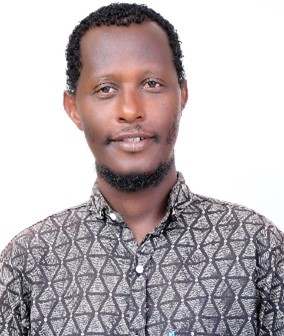
Melaku Taye Alemu
Title: Antimicrobial Resistance and Heavy Metal Contamination in the Akaki River Catchment: A One Health Assessment
Antimicrobial resistance (AMR) poses a global threat to human, animal, and environmental health. Wastewater treatment plants (WWTPs) act as key environmental hotspots for AMR dissemination due to the convergence of domestic, industrial, and hospital effluents containing antibiotics, resistant bacteria, and heavy metals. Heavy metals such as Pb, Cd, Cr, Zn, Cu, and Mn are non-biodegradable pollutants that exert selective pressure on microbial communities, leading to the co-selection and persistence of antibiotic resistance genes (ARGs). The Akaki River catchment in Addis Ababa receives treated effluents from the Akaki WWTP, which are often reused for irrigation and livestock watering, posing potential One Health risks. This study aims to investigate the distribution of selected heavy metals and their relationship with the prevalence of ESBL- and carbapenemase-producing Escherichia coli in the Akaki River catchment. A cross-sectional One Health approach will be employed, collecting water, animal, and human samples. Heavy metals will be analyzed using ICP-OES, while E. coli isolates will be identified and tested for antimicrobial resistance phenotypes using standard microbiological and CLSI-based methods, including phenotypic ESBL and carbapenemase detection. Data will be analyzed in R to explore correlations between heavy metal concentrations and AMR prevalence. The findings will provide baseline data to support improved wastewater management, antimicrobial resistance monitoring, and environmental health interventions in Ethiopia.

Meskerem Mulisa Misgana
Title: Assessment of Antimicrobial Usage Practices and the Emergence of Antimicrobial-Resistant Listeria Monocytogenes along the Beef Value Chain in Adama and Modjo, Ethiopia: One Health Perspective
Listeriosis, caused by Listeria monocytogenes, is a serious foodborne zoonotic bacterial disease that significantly affects animal welfare, productivity, and public health. It poses particularly high risks to vulnerable populations. Although several studies have examined antimicrobial usage (AMU) and antimicrobial resistance (AMR) in livestock sectors in other regions of the country, there is limited research on the One Health implications of AMR Listeria monocytogenes and AMU practices along the beef value chain in the study area. The objective of this research is to assess AMU practices and the emergence of AMR Listeria monocytogenes along the beef value chain in Adama and Modjo, Ethiopia, from a One Health perspective. A cross-sectional study design will be employed from November 2025 to May 2026. Antimicrobial usage data, along with beef, environmental, and human samples, will be collected from randomly selected beef farms, abattoirs, and butcher houses using a piloted semi-structured questionnaire and sterile buffered peptone water transport media, respectively. All samples from the beef value chain will be processed following standard bacteriological techniques for the isolation and characterization of antimicrobial profiles of the isolates. Data will be entered, organized, and stored in Microsoft Excel 2016 and then exported to R version 4.4.2 for analysis to identify correlations between AMU practices, resistance patterns, and hygienic practices related to public health risks. Statistical significance will be determined at p < 0.05. This research will advance knowledge at the intersection of animal health, public health, and environmental safety, supporting the application of a One Health approach to combatting AMR in Ethiopia.
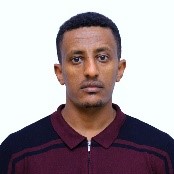
Motuma Regassa Tesgera
Title: Isolation, Identification, Antimicrobial Resistance Profiles, and Detection of Resistance Genes of Pseudomonas Aeruginosa in Poultry Products: A One Health Perspective
Pseudomonas aeruginosa poses a direct threat to public health, causing a range of health issues, including antimicrobial resistance (AMR), acute or chronic food poisoning, and fatalities. Its high and broad resistance profiles are attributed to the interplay of acquired, adaptive, and innate resistance mechanisms. When infecting vulnerable hosts, the bacteria’s ability to form biofilms provides a significant survival advantage. Overuse of antibiotics in both the poultry industry and clinical settings has led to a global rise in antibiotic resistance within the food chain. This increase complicates infection treatment and contributes to higher morbidity, mortality, and healthcare costs. Even at very low concentrations, P. aeruginosa can cause disease. Therefore, effective management of P. aeruginosa infections requires early pathogen identification and susceptibility testing. The dissemination of antibiotic-resistant bacteria (ARB) and antibiotic-resistance genes (ARGs) across human populations, animals, and the environment is well documented. Accordingly, this study aims to assess the presence and antibiotic resistance profiles of P. aeruginosa, as well as to detect resistance genes in poultry meat and eggs collected from various farms, slaughterhouses, retail shops, and markets in Bishoftu, Ethiopia, within a One Health framework. Chicken eggs and meat will be sampled from layer farms, slaughterhouses, retail shops, and markets. In addition, poultry litter, water, and swabs from surfaces and personnel in direct contact with these products will be collected. Samples will be transported to the bacteriology laboratory of NVI for processing, culturing, isolation, AMR profiling, and PCR confirmation targeting the species-specific oprL gene. Resistance genes to be identified include blaCTX-M, blaTEM, blaSHV, blaDHA, tetA, sul1, mexA, aadA1, and mcr-1. Statistical analyses will be conducted using R programming software. Finally, a comprehensive antibiogram detailing the resistance profiles of local isolates against tetracycline, doxycycline, sulfadiazine, enfloxacillin, norfloxacillin, ampicillin, cloxacillin, amoxicillin, amikacin, and colistin sulfate, as well as the resistance genes present in multi-drug resistant (MDR) isolates, will be presented in tables, text, and graphical formats.

Tadelech Yilma Sisay
Title: Investigation on The Association Between Tetracycline Residues in Poultry Litter and Antimicrobial-Resistant Escherichia Coli and Enterococcus in Litter, Farm Environments, And Workers in Bishoftu
Antimicrobial resistance (AMR) is an increasing global concern that threatens human, animal, and environmental health. In poultry production, the widespread and often unregulated use of antibiotics, such as tetracyclines, contributes to the accumulation of residues in farm environments, creating conditions conducive to the emergence and spread of resistant bacteria. In Ethiopia, information on tetracycline residues in poultry litter and their association with antimicrobial-resistant bacteria remains limited. This study aims to investigate the relationship between tetracycline residues in poultry litter and antimicrobial-resistant Escherichia coli and Enterococcus species isolated from poultry litter, soil, and farm workers in Bishoftu, Ethiopia, within a One Health framework. A cross-sectional study design will be employed, using a stratified cluster sampling technique with poultry farms as the primary sampling units. A total of 214 samples will be collected from 70 poultry farms, including poultry litter (for both residue and microbial analysis), soil, and hand swabs from farm workers. Tetracycline residues in litter will be quantified using High-Performance Liquid Chromatography (HPLC) with ultraviolet detection after acid extraction and solid-phase cleanup. E. coli and Enterococcus will be isolated using standard bacteriological techniques, and antimicrobial susceptibility testing will be conducted using the Kirby–Bauer disc diffusion method following Clinical and Laboratory Standards Institute (CLSI) guidelines. Data will be analyzed using R Markdown to ensure reproducibility and transparency. The findings will provide baseline data on the occurrence of tetracycline residues in poultry litter and the prevalence of resistant E. coli and Enterococcus in poultry farms in Bishoftu. Establishing this link will support evidence-based interventions for rational antibiotic use and contribute to Ethiopia’s national AMR mitigation strategies through a One Health approach.