About the study
Regulation patterns and molecular processes in living cells are fundamental to explain the success of organisms in different life stages, environmental conditions and ecosystems. Comprehensive knowledge of genes, their organisation in the genome and their products in the cell is the key to describe prokaryotic and eukaryotic life forms. If you want to explore the molecular and cellular principles of life and its interface with environmental factors, then seek an education in molecular environmental biology.
This study programme requires compulsory attendance to the introductory meeting. See this web page for more information.
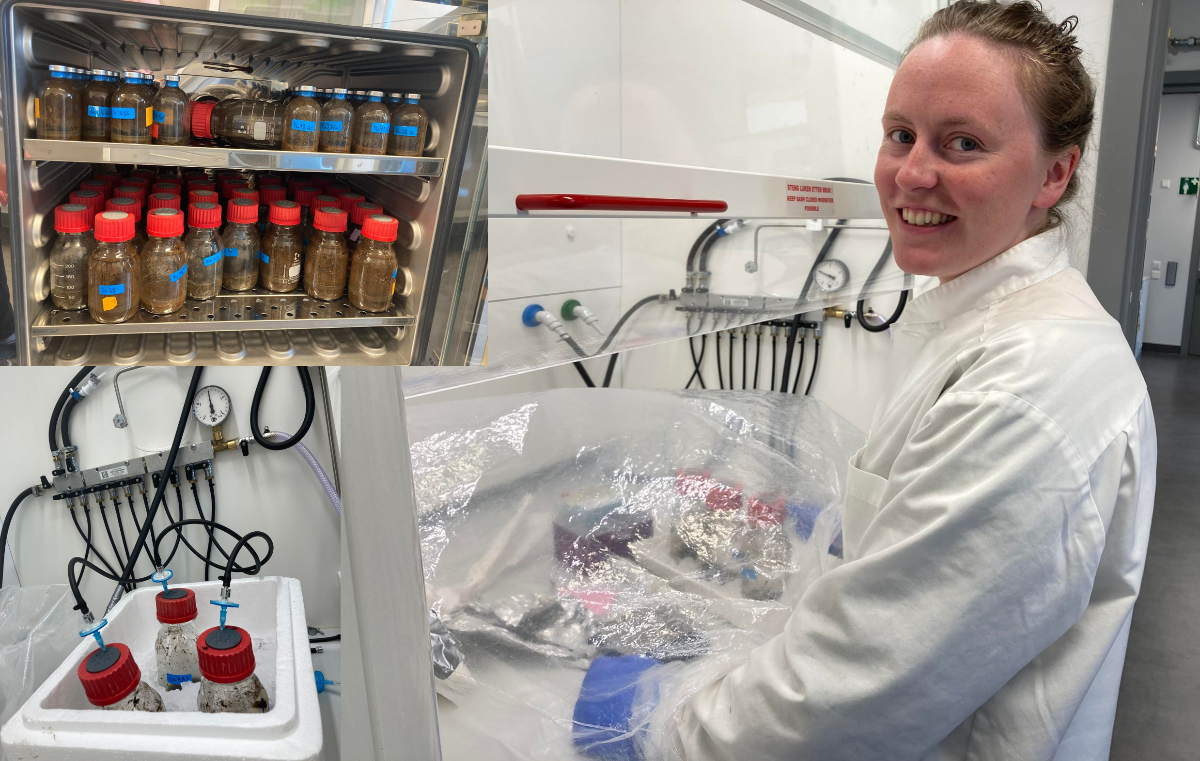
What will you learn?
The specialization in Molecular Environmental Biology gives you advanced knowledge in one of the following topics:
- intra- and interspecies communications and molecular interactions.
- functioning dynamics and biotechnological application of microbial communities in a changing world.
- secondary metabolites in microbes and plants, their biological functions and applied aspects.
- bioinformatics and scientific programming.
You will also gain knowledge within molecular methods.
Programme description
The specialization in Molecular Environmental Biology focuses on the physiological and molecular analysis of plants and microorganisms. Research areas cover a broad range of contemporary research topics ranging from functional plant and microbial molecular biology and physiology and plant/microbe interactions to bioinformatic analysis and modelling. The common theme of our discipline is understanding interactions within, and between cells and between organisms and their environment at a cellular and molecular level. The Master students will be offered an opportunity for a molecular study within one selected field of research and the participation in an ongoing research project.
During the master´s study the students will be given the opportunity to choose from a variety of different courses applying modern methods of experimental molecular biology and bioinformatics for the study of plant and microbe systems. All courses are designed specifically to prepare the candidates for their master’s thesis.
Students will be an integral part of the Microorganisms and Plants Rearch Group and are expected to participate actively.
For a complete overview of learning outcomes, please see the programme study plan.
Program Structure
Studyplan(s)
Destinations for studies abroad
Do you have any questions?



Følg @uitstudent på Instagram eller TikTok for å få et enda bedre innblikk i hvordan det er å studere på UiT. Her viser studentene fram sin studiehverdag, deler tips og nyttig informasjon, og du kan stille spørsmål om alt du måtte lure på.
Sjekk også @uitnorgesarktiske på Instagram eller TikTok for info om studier, jobbmuligheter og forskning.
